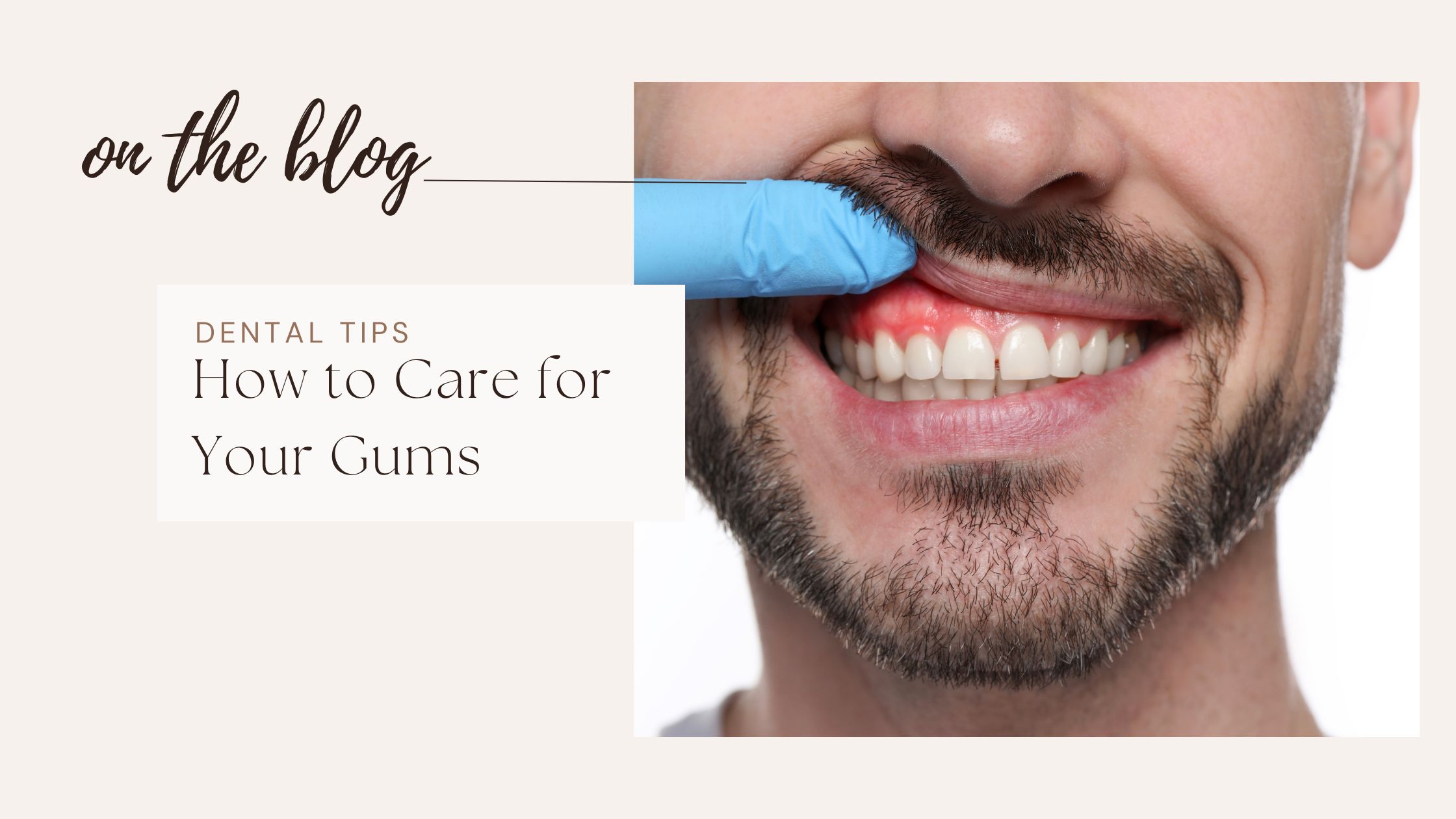
When it comes to oral hygiene, we mostly talk about our teeth and how clean, shiny, and white they are. Our gums mostly go unnoticed or uncared for most of the time. Patients have been observed to ignore bleeding gums or receding gum lines until they cause pain. What we need to understand is bleeding gums are not normal!
Our gums play a vital role in protecting our teeth and jawbones. Healthy gums are characterized by their pale pink color, firm consistency, and absence of swelling and bleeding. Bleeding gums, bad breath, deposits on gum lines, loose teeth, or falling out of teeth indicate the presence of a gum disease.
Optimum gum health is maintained with good oral hygiene, with twice-daily brushing, flossing, using mouth rinse, proper diet, and regular dental visits.
Gum diseases are caused by the accumulation of debris and plaque (a film of dental bacteria) on the teeth and the gum line. This is a result of poor brushing. It is common to not feel any pain and for the disease to progress without any discomfort. Gum disease is referred to as gingivitis. As gingivitis progresses, it can involve the bone surrounding the tooth structure, causing advanced damage. This condition is known as periodontitis. These gum conditions can cause tooth loss and dental infections.
Signs of gingivitis include redness, swelling, bad breath, and bleeding of gums. In advanced stages (periodontitis), signs and symptoms include spontaneous bleeding of gums, pain, pockets in the gums, bone loss, swollen gums, loose teeth, receding gum lines, gaps between teeth, soreness, or pus discharge.
Gum diseases are 100% preventable. Here are some steps we can take to maintain optimum gum health.
The best way to keep gum diseases at bay is to brush properly twice daily. The American Dental Association recommends the following guidelines while brushing:
Regular dental visits and professional teeth cleaning are very important to maintain oral hygiene and gum health. Some debris and stains are left behind even after proper brushing; this turns into tartar and can cause gum diseases. Dental scaling is recommended every 6 months to 1 year.
It is as important to floss as it is to brush your teeth. Floss once daily before brushing your teeth in the morning. Flossing removes debris stuck between teeth.
Smoking is deleterious to oral health. It causes gum recession, gum pigmentation, and staining of teeth. If you smoke, it is advised to stop the habit. Visit us if you would like a quit plan for your smoking habit!
It is advised to rinse your mouth with water after every meal.
Using a dentist-recommended mouthwash also aids in keeping your gums healthy.
Healthy gums are the first step towards a healthy mouth! Follow a good oral hygiene routine to maintain a healthy smile.
Want to book your dental check-up? Do not wait; make your appointment with dental specialists at Dhriti Dental, Hyderabad. We have our dental clinics in Nallagandla and Manikonda. Book your appointment now!
The cost of teeth cleaning starts at Rs 1500 at Dhriti Dental, Hyderabad.
Smoking is bad for both teeth and gums. It causes gums to recede, black pigmentation on gums and teeth, dental infections, and oral cancer over time. Stop smoking now!
You can floss anytime, before or after brushing, but it is recommended that you floss before brushing, as the debris removed by flossing can be washed away while brushing your teeth.